onterror.com is reader supported. When you buy through links on our site we may earn an affiliate commission. Learn more
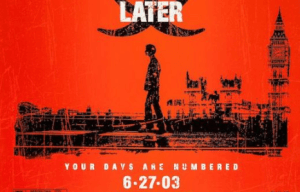
28 Weeks Later (2007): A Zombie Sequel That Works
Film Synopsis
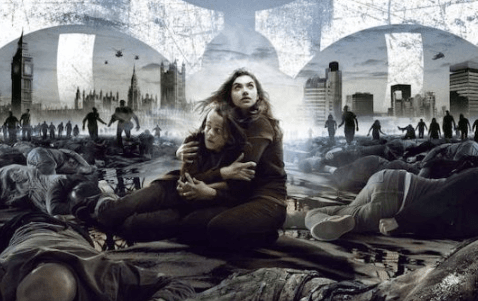
In 28 Weeks Later, the story unfolds in a post-apocalyptic London, where the remnants of society attempt to rebuild after a devastating virus has nearly wiped out humanity. As a military force takes control to ensure safety, a group of survivors uncovers shocking truths about the outbreak and its lingering effects. Tension escalates as the threat of the virus resurfaces, forcing characters to confront both external dangers and the darker aspects of human nature.
Streaming

Reasons to Watch
Sequel Innovation That Expands Rather Than Repeats: 28 Weeks Later does a fantastic job of building on what made the first film so memorable, while also carving out its own unique path. Rather than merely retreading old ground, it delves into the aftermath of the initial outbreak, offering a fresh perspective on the ensuing chaos. This film really highlights how effective sequels can shift the lens and explore new angles, all while staying true to the spirit of the original. It’s a reminder that the best follow-ups not only continue the story but also dig into the consequences of those events in a way that feels both connected and refreshingly different.
Military vs. Civilian Tension: The film delves into the complex relationship between military control and the desperate struggles of civilians. It illustrates just how quickly what starts as a protective measure can turn oppressive when fear takes control. In 28 Weeks Later, the uncomfortable truth emerges that those who are supposed to keep us safe can become the biggest threat, especially when rigid rules clash with genuine human compassion. This creates a multi-layered conflict where the infected are just one of many dangers. Every encounter between authority figures and survivors is charged with tension and the potential for violence, making the stakes all the more real and relatable.
Realism: The film’s chillingly realistic portrayal of post-apocalyptic breakdown demonstrates how quickly civilization’s veneer can crumble when fundamental systems fail. 28 Weeks Later presents its scenarios with such authentic detail that the extraordinary circumstances feel like logical extensions of recognizable human behavior under extreme stress. This realism transforms what could have been fantastical horror into something disturbingly plausible, making viewers question the stability of their own societal structures
Trailer
Film Details
Release Year: 2007
Director: Juan Carlos Fresnadillo
Runtime: 1h 39m
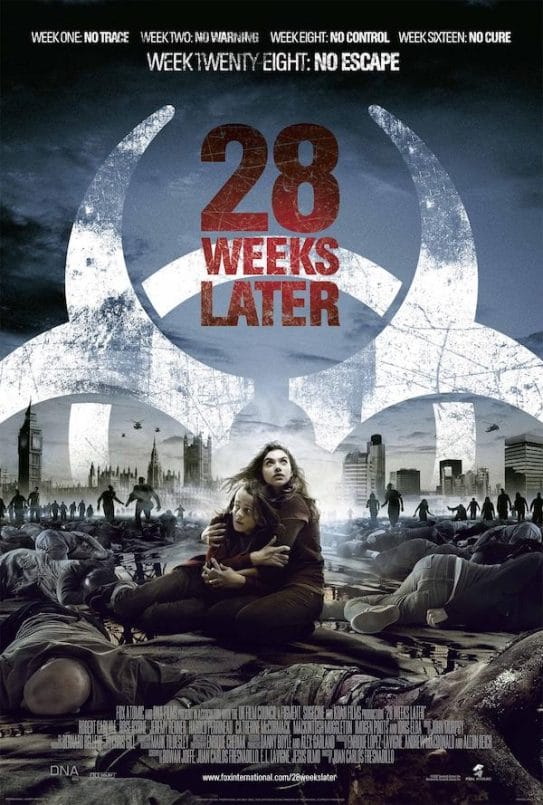
Poster